

Business security is about more than protecting expensive equipment. It also involves keeping employees safe, monitoring daily activities and preventing unauthorised access. CCTV cameras can help businesses manage these risks and respond quickly when something goes wrong. However, installing cameras without proper planning may leave important areas unprotected.
Before investing in a CCTV system, business owners should consider their security needs, camera placement, image quality and long-term costs. Understanding these factors can help you choose a system that suits your workplace and provides reliable protection.
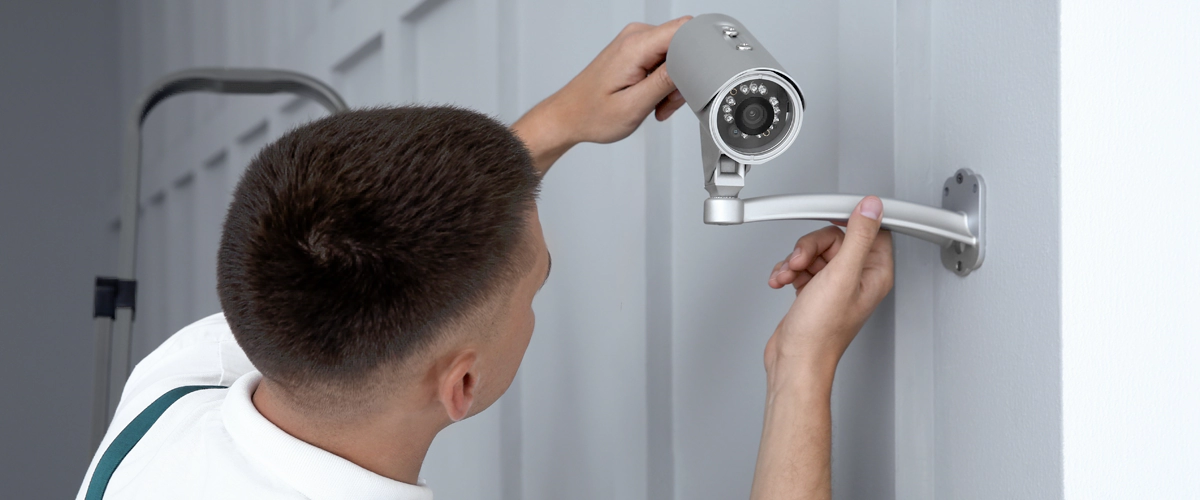
1. Identify Your Business Security Needs
Every business has different security requirements. A retail store may need cameras to monitor customers and prevent shoplifting, while an office may focus on controlling access to workspaces and protecting confidential information. Warehouses and industrial facilities may require wider coverage to monitor stock, machinery and loading areas.
Start by identifying the main security risks on your premises. Consider areas where theft, unauthorised entry or workplace incidents could occur. Think about whether you need to monitor indoor spaces, outdoor areas or both.
Your business size, operating hours and the value of your assets will also influence your choice. A small office may need only a few strategically placed cameras, while a large commercial property may require a more extensive system.
Also Read – How to Plan CCTV Camera Placement Before Installation in Melbourne
2. Choose the Right Camera Locations
Camera placement plays an important role in the effectiveness of your CCTV system. Even high-quality cameras cannot provide adequate security if they miss important areas or have their view blocked by walls, shelves or equipment.
Start with entry and exit points, including main doors, back entrances, delivery areas and emergency exits. These locations can help you monitor who enters and leaves your premises. You should also consider reception areas, car parks, storage rooms and spaces where employees handle valuable goods or equipment.
Avoid placing cameras where lighting conditions, obstructions or wide viewing angles could reduce image clarity. At the same time, respect employees’ and visitors’ privacy. Cameras should not cover private spaces such as toilets or changing rooms.
A professional installer can assess your premises and recommend suitable positions to minimise blind spots without installing more cameras than necessary.
3. Consider Camera Resolution and Image Quality
Image quality determines how much useful detail your CCTV system can capture. A camera may record an incident, but unclear footage might not help you identify a person, read a vehicle registration plate or understand what happened.
Choose a resolution that suits the area you want to monitor. High-resolution cameras can capture finer details, particularly in busy locations such as entrances, checkout counters and reception areas. However, resolution is only one part of the decision. Lens quality, viewing distance, lighting and camera positioning also affect the final image.
For larger spaces, consider cameras with suitable wide-angle views or optical zoom. These features can help you monitor broader areas or capture details at a distance.
Also Read – What Is the Best Video Intercom System for Business Security?
4. Check Lighting and Night Vision Capabilities
Your business needs protection during the day and after closing hours. Poor lighting can make it difficult for cameras to capture clear footage, especially in outdoor areas, car parks and warehouses.
Before installation, assess the lighting conditions around your premises at different times of the day. Look for dark corners, poorly lit entrances and areas where headlights or direct sunlight could affect image quality.
Infrared night vision can help cameras record footage in low-light conditions. Some models also use colour night vision or built-in lighting to improve visibility after dark.
Choose cameras that match the conditions around your property. If your business operates overnight, reliable low-light performance should be a priority rather than an optional feature.
5. Decide Between Wired and Wireless Cameras
Your building layout, budget and security requirements will influence whether wired or wireless cameras are the better choice.
Wired CCTV systems generally provide a stable connection and suit businesses that need continuous monitoring across larger premises. However, installation may require additional cabling, drilling and planning, especially in existing buildings.
Wireless cameras can offer greater flexibility and may simplify installation in certain locations. However, they still need a reliable power source, and some models depend on a stable Wi-Fi connection. Network interference or connectivity problems can affect performance.
Compare both options before making a decision. Consider installation requirements, maintenance, network reliability and the possibility of expanding your system as your business grows.
Also Read – How Accurate Is Motion Detection CCTV in Modern Security Cameras?
6. Review Storage and Remote Access Options
A CCTV system needs enough storage to retain useful footage. Your storage requirements will depend on the number of cameras, video resolution, recording settings and how long you want to keep recordings.
Local storage, such as a digital video recorder (DVR) or network video recorder (NVR), allows businesses to store footage on equipment at their premises. Cloud storage provides another option, allowing authorised users to access recordings through an internet connection. Some businesses combine both approaches.
Remote access can also help business owners monitor their premises when they are away. Many modern systems offer mobile apps that allow users to view live footage and review recordings.
Make sure you protect these features with strong passwords, restricted user access and regular software updates.
7. Understand Privacy and Legal Requirements
Businesses must consider privacy when installing CCTV cameras. In Australia, privacy obligations can depend on the type of business, the information collected and the applicable state or territory laws.
Before installation, check the requirements that apply to your workplace. You may need to display signs informing people about surveillance, explain how you use recordings and limit access to footage. Workplace surveillance laws may impose additional requirements, particularly when monitoring employees.
Collect only the footage you need for legitimate security purposes. Establish clear rules for storing, accessing and deleting recordings, and avoid monitoring private areas.
Taking these steps can help your business maintain trust while using CCTV responsibly.
8. Plan Your Budget and Future Maintenance
The cost of installing CCTV cameras involves more than buying the equipment. Your budget should also cover professional installation, cabling, storage devices, software subscriptions and ongoing maintenance.
Request a detailed quote so you understand what the installation includes. Cheaper equipment may seem attractive initially, but poor image quality or frequent faults can lead to higher costs later.
You should also consider future expansion. If you plan to open additional locations or increase your workforce, choose a system that can support more cameras without requiring a complete replacement.
Schedule regular checks to confirm that cameras work correctly, lenses remain clean and recordings are available when needed. Update software and replace faulty components promptly to maintain reliable coverage.
Conclusion
Installing CCTV cameras requires careful planning to achieve effective business security. By assessing your risks, choosing suitable camera locations, checking image quality and reviewing storage options, you can build a system that meets your needs.
At Wireless Camera Solutions, we help businesses choose CCTV systems that suit their security requirements and provide reliable monitoring. We understand the importance of protecting your premises, employees and valuable assets. With the right setup and regular maintenance, you can strengthen your business security and enjoy greater peace of mind.